
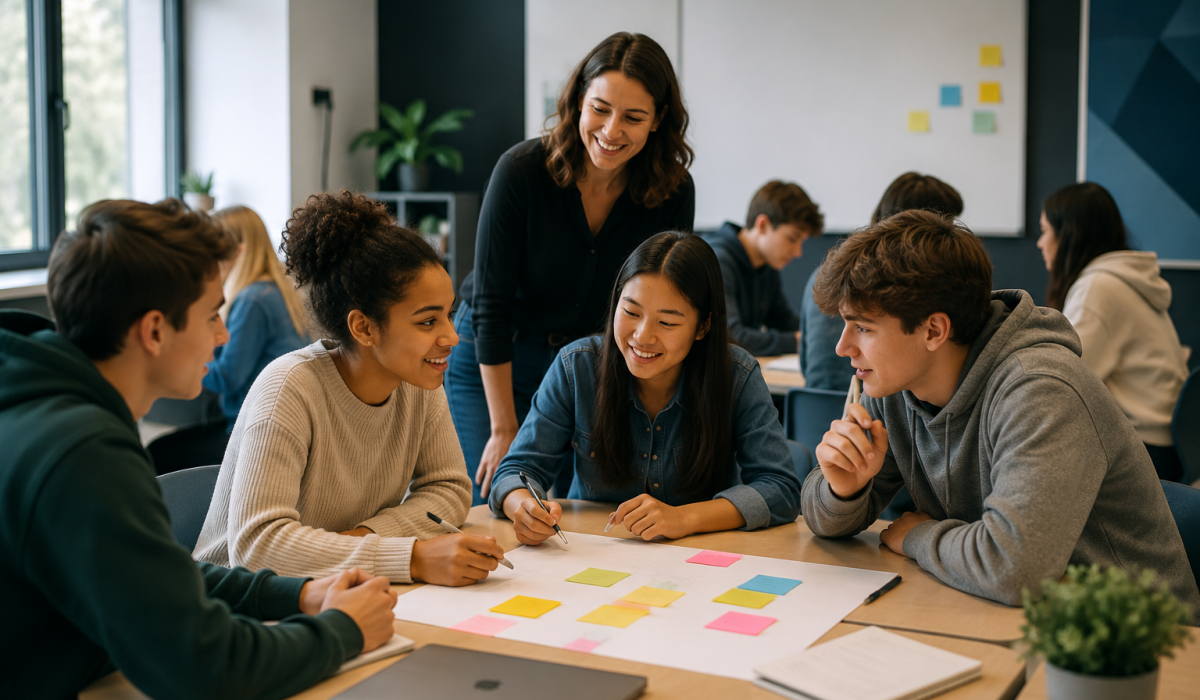
One of the most common concerns educators share today is learner engagement.
Students seem distracted more easily.
Participation can feel lower than expected.
Even motivated learners sometimes struggle to stay focused.
It is tempting to assume that learners simply care less about learning than previous generations.
But the reality may be more complex.
The World Around Learners Has Changed
Today’s learners live in an environment designed to compete for their attention.
Every day they encounter:
- social media feeds
- short-form videos
- notifications
- constant digital stimulation
Compared to these experiences, traditional learning formats can sometimes feel passive and disconnected.
The challenge is not that learners are unwilling to learn.
The challenge is that expectations about learning experiences have changed.
Engagement Is Not Entertainment
When discussing engagement, many people immediately think about making learning more fun.
But engagement is not the same as entertainment.
Learners become engaged when they:
- feel involved
- contribute ideas
- solve problems
- collaborate with others
- see relevance in what they are learning
People rarely engage deeply when they are passive observers.
They engage when they become active participants.
Learning Needs Participation
Research and practice consistently show that people learn more effectively when they actively interact with ideas.
Questions, discussions, reflection, collaboration, and creativity help learners build personal connections to what they are learning.
Participation creates ownership.
Ownership creates engagement.
A Different Question
Instead of asking:
“Why are learners losing interest?”
Perhaps educators should ask:
“How can we create learning experiences that invite participation?”
This shift in perspective often changes the entire learning experience.
The Future Skill Perspective
At Future Skill, we believe engagement grows when learners are involved, challenged, and encouraged to contribute.
Rather than focusing solely on delivering information, we focus on creating meaningful learning experiences that encourage participation, creativity, and connection.
Because when people actively engage in learning, they are far more likely to remember, apply, and value what they learn.